

How to wash a hand towel properly?
Oct 22, 2026
If you run a commercial kitchen, hotel, or even a busy family bathroom, you probably don’t give much thought to the hand towel hanging by the sink—until it starts to smell sour, get scratchy, or leave lint all over freshly washed hands. As a hand towel supplier who’s spent the last eight years testing fabrics, load after load of laundry, and helping dozens of hospitality teams keep their linens looking and performing their best, I’ve seen firsthand that most people (and even some professional housekeepers) are washing these towels all wrong. A hand towel isn’t a disposable paper towel; it’s a reusable, performance-driven textile that needs care tailored to its material, use, and the job it’s meant to do. Too often, we treat all towels the same way, tossing them in with bed sheets or jeans, using the wrong detergent, or skipping critical steps that cut their lifespan in half. Today, I’m breaking down the science of how to wash a hand towel properly—tips that work for premium hotel styles, budget-friendly basics, and every variety in between.
First, let’s talk about why this matters more than you might think. A typical hand towel in a high-traffic bathroom or kitchen goes through 10 to 15 uses before it’s washed, and each time you dry your hands, you’re leaving behind water residue, dead skin cells, and tiny amounts of soap or hand cream. Warm, damp linens are the perfect breeding ground for bacteria like Staphylococcus and mold, which is why that “off” smell hits so fast—usually after just two or three days of regular washing. Poor washing habits don’t just cause odors, either; they weaken fabric fibers, leave towels scratchy, reduce absorbency, and fade those bright whites or decorative details way before their time. I’ve had customers come to me saying their luxury hand towels started falling apart after a month of use, only to trace the problem back to using fabric softener or washing them on a high heat setting that damaged the weave.
Before we dive into the washing routine, let’s address the biggest question: how often should you wash hand towels? I recommend a rule of thumb for regular use: wash them every three to four days. For high-traffic spaces, like a restaurant host stand or a gym locker room, that number goes down to every two days. If it’s only you at home, you can stretch it to five, but never let it go longer than a week. And no, hanging it to dry overnight isn’t enough to kill bacteria—studies from the textile industry have shown that even air-dried towels can harbor lingering microbes if they aren’t laundered properly.
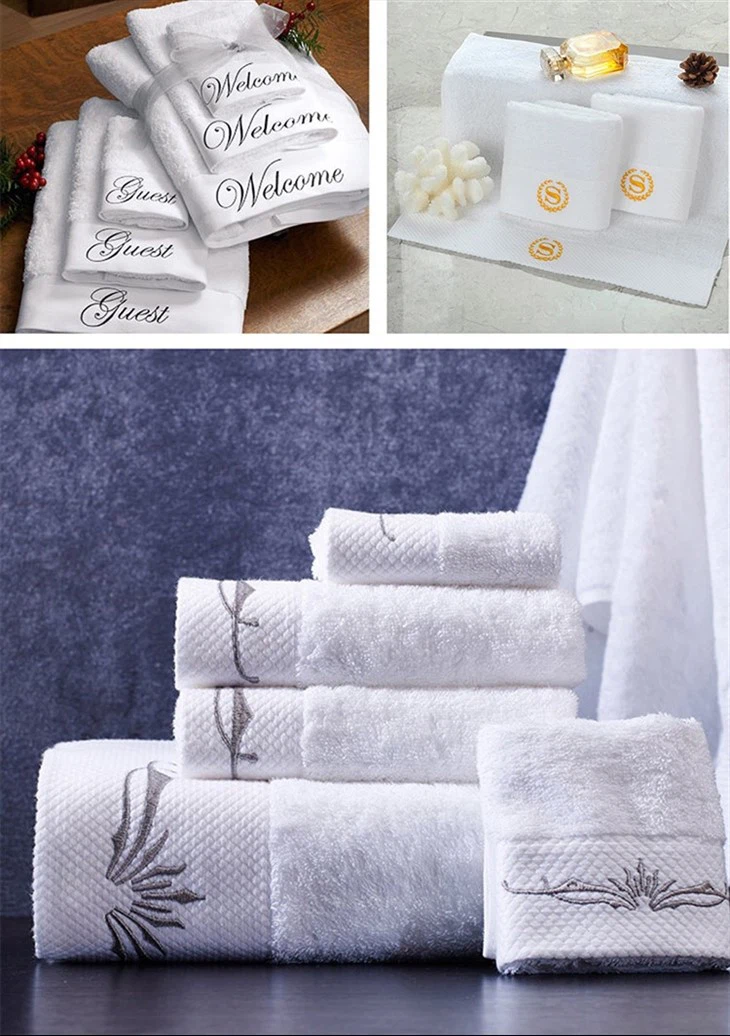
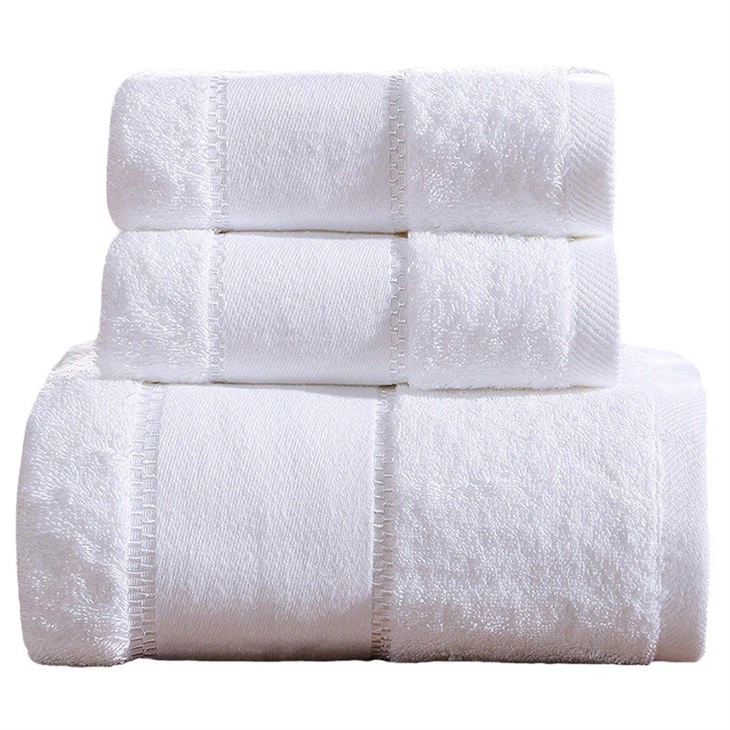
Now, let’s get to the science of washing, starting with pre-wash sorting, a step most people skip entirely. Sorting isn’t just about keeping colors from bleeding; it’s about protecting towel fibers and preventing cross-contamination. Here’s how I break it down: always wash hand towels separately from heavy items like bed sheets, bath towels, or denim jeans. Heavy fabrics create friction that snags the delicate weave of a hand towel, especially the soft, absorbent cotton used in high-quality styles like our Luxury White Hand Towels. Cotton, the most common material for hand towels, has tightly looped fibers that trap water, but those loops can get pulled or stretched if tumbled with thick, rigid fabrics. I also recommend sorting by color, obviously—no darks with whites, but beyond that, avoid washing decorative or specialty towels (like our White Decorative Hand Towels with lace edges or embroidery) with regular plain-weave options. The decorative details are delicate, and tossing them in with a load of other linens can cause pilling or damage to trim. Finally, separate heavily used kitchen hand towels from bathroom ones. Kitchen towels come into contact with food, grease, and more bacteria, so washing them on their own keeps your laundry load cleaner and prevents cross-contamination of other textiles.
Next, let’s talk about detergent: this is where most people go wrong. I’ve seen countless guests use too much detergent, or the wrong kind, and it’s a top cause of that sour towel smell that won’t go away. The problem with excess detergent is that it leaves behind a residue on fabric fibers, even after a full rinse. That residue traps water, bacteria, and odors, making your towels smell like mildew days after washing. Similarly, fabric softener and dryer sheets—two staples for many people—are terrible for hand towels, especially absorbent cotton. Softener coats the tiny loops on the towel’s surface, clogging them so they can’t soak up water effectively. I’ve tested this personally: a softener-treated towel will take twice as long to dry, and when you use it, it leaves streaks of water on your hands or face. For hand towels, use a mild, liquid detergent, and stick to exactly what the label recommends for your load size. If you have a standard top-loading washer with a 50-pound capacity, use between 2 and 3 tablespoons of detergent; for a front-loader, 1.5 to 2 tablespoons is enough. Skip the “heavy-duty” or bleach-based detergents, too—they’re too harsh on cotton fibers and will fade colors faster. And if your towels do develop that sour smell, a pre-wash soak is your best fix: fill a basin with warm water, add a half cup of white vinegar (not bleach—bleach and vinegar react to create toxic fumes), and let the towels sit for 30 minutes before washing as usual. This cuts through residue and odors without damaging fabric.
When it comes to water temperature, it’s all about balance, and again, it depends on your towel type. For most regular hand towels and our Plain Hand Towel, a warm water setting (between 100 and 120 degrees Fahrenheit) is ideal. Hot water (140 degrees or higher) sounds like it would kill more bacteria, but it also weakens cotton fibers over time, leading to pilling, stretching, and a shorter lifespan. For white towels, you can bump it to hot occasionally (once every 5 or 6 washes) to boost stain removal, but don’t make it a habit. For colored or decorative hand towels, always use cool water to prevent fading—hot water is the number one cause of that dull, washed-out look on linens. Avoid cold water, too, especially if you’re dealing with a heavily soiled towel from the kitchen. Cold water doesn’t dissolve detergent or remove grease as well, so you’ll end up with leftover residue and smells.
Wash cycle settings are another key detail. Use a gentle or normal cycle, not the heavy-duty setting. Heavy cycles use more agitation, which is great for tough, dirty items like work clothes, but it pulls at cotton loops in hand towels, causing them to stretch or pill. A gentle cycle gives enough motion to get towels clean without damaging their delicate structure. If your washer has a extra rinse setting, use it—this is especially helpful for people with sensitive skin, as it removes any leftover detergent residue that could cause irritation.
Once the wash cycle is done, the way you dry your towels is almost as important as the wash itself. Again, skip the fabric softener, but here’s a pro tip from our team: add a few clean tennis balls to the dryer when you tumble dry towels. The balls bounce around and fluff the cotton loops, keeping towels soft and preventing them from clumping together. Use a medium heat setting, not high heat. High heat burns cotton fibers, makes towels scratchy, and causes shrinkage—something I see all the time with customers who dry all their linens on high. For a quicker dry without overheating, you can also pull the towels out of the dryer when they’re still slightly damp and hang them up to finish air-drying. Air-drying is great for decorative hand towels with delicate details, too, as it prevents any heat-related damage to trim or embroidery. If you do use a clothesline, hang the towels with a little space between them—this lets air circulate fully, which helps kill any remaining bacteria and eliminates that sour smell before it starts.
Wait a second—what about if a towel gets stained? That’s a common question, especially for kitchen or guest bathroom towels. For fresh stains like coffee, food grease, or makeup, treat them immediately before washing. For grease stains, rub a small amount of mild dish soap (the kind you use for washing dishes) directly into the stain, let it sit for 5 minutes, then wash as usual. For organic stains like coffee or wine, soak the stain in a mix of warm water and a tablespoon of baking soda for 15 minutes before washing. Never rub the stain aggressively, as that works it deeper into the towel’s fibers. For set-in stains, a tiny bit of hydrogen peroxide (test it on a hidden spot first to make sure it doesn’t bleach the fabric) can lift even old stains without damaging the towel.
As a hand towel supplier, I’ve also learned that choosing the right towel in the first place makes a huge difference in how well it holds up to washing. Our Luxury White Hand Towels, for example, are made with long-staple cotton, which has stronger, longer fibers that stand up to hundreds of washes without pilling or losing absorbency. Our White Decorative Hand Towels use a tightly woven cotton blend that keeps decorative details from getting damaged during washing, and our Plain Hand Towels are designed for everyday use, with a soft, looped weave that works perfectly for regular laundering. Even the best washing routine won’t fix a cheap, low-quality towel made with short, brittle fibers, so investing in a well-made towel saves you money in the long run.
Now, let’s wrap this up with a quick, step-by-step guide you can reference every time you wash your hand towels:
- Sort correctly: Separate hand towels from heavy linens, darks from whites, and kitchen from bathroom.
- Use the right detergent: Mild liquid detergent, no excess, no fabric softener or dryer sheets.
- Choose the right temperature: Warm for regular towels, cool for colored/decorative, hot only for occasional white towel deep cleans.
- Gentle cycle: Skip heavy-duty settings to protect towel fibers.
- Dry smart: Medium heat, add tennis balls for fluff, or air-dry for delicate items.
If you run a hotel, restaurant, or gym and need a reliable supply of high-quality hand towels that hold up to strict washing standards, our team is here to help. We work with businesses of all sizes to source durable, soft, and absorbent hand towels tailored to your specific needs, whether you’re looking for luxury styles for guest rooms, budget-friendly options for high-traffic areas, or decorative pieces to match your space’s design. Reach out to our team to discuss your order and find the perfect hand towel solution for your business.
References:
- Textile Care Institute. (2022). "Best Practices for Maintaining Cotton Linens." Textile Industry Maintenance Journal, 18(2), 45-52.
- Centers for Disease Control and Prevention (CDC). (2021). "Laundry Hygiene for Household and Commercial Settings." CDC Division of Food, Water, and Environmental Health.
- American Association of Textile Chemists and Colorists (AATCC). (2020). "Effect of Detergent Residue on Cotton Fabric Performance." AATCC Technical Report, 32(4), 112-120.
- European Chemical Industry Council (Cefic). (2021). "Detergent Ingredients and Fabric Care for Textiles." Cefic Consumer Products Division.