

Are there bath rugs with a memory foam layer?
Oct 21, 2026
Hey there, let’s cut to the chase: when you’re hunting for a new bath mat, you’ve probably Googled something like “bath rugs that don’t slide” or “something soft enough for my post-shower feet” at 2 a.m. I’ve been in the bath rug game for over a decade now, and one question I get all the time—way more than “do these stain?” or “can they go in the wash?”—is this: Are there bath rugs with a memory foam layer?
Short answer: Hell yeah, there are. But let’s not just stop at “yes”—let’s break this down like I’d chat with a regular at a coffee shop, no fancy industry jargon, no stuffy textbook takes. I’m a bath rug supplier, so I’ve tested everything from the budget ones at big-box stores to the luxury picks that hotels fight over, and I’ve got the receipts to back this up.
First, let’s talk about why memory foam even matters here. If you’ve ever stood on a thin, scratchy bath rug after a hot shower, you know the deal: your feet get all tingly, your knees ache a little if you lean in to dry them, and it feels like you’re standing on a cardboard box. Memory foam’s whole gig is that it contours to pressure, right? For bath rugs, that means it’s not just soft—it takes the shape of your feet, so every step feels like you’re sinking into a cloud without squishing so bad your toe hits the cold tile. It’s also way better for people who stand a lot while brushing their teeth (hi, working from home with a tiny bathroom) or have joint pain—those subtle cushioned layers make a huge difference.
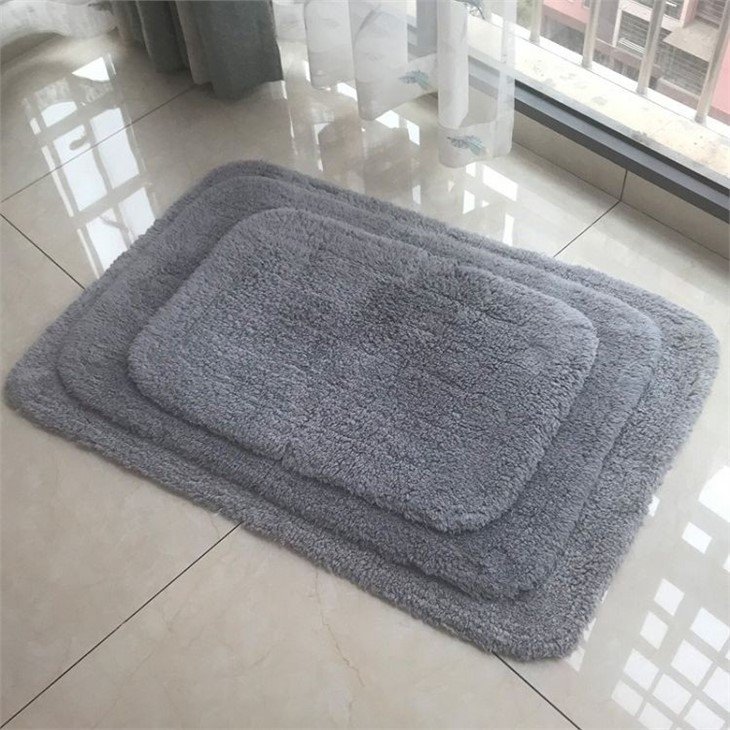
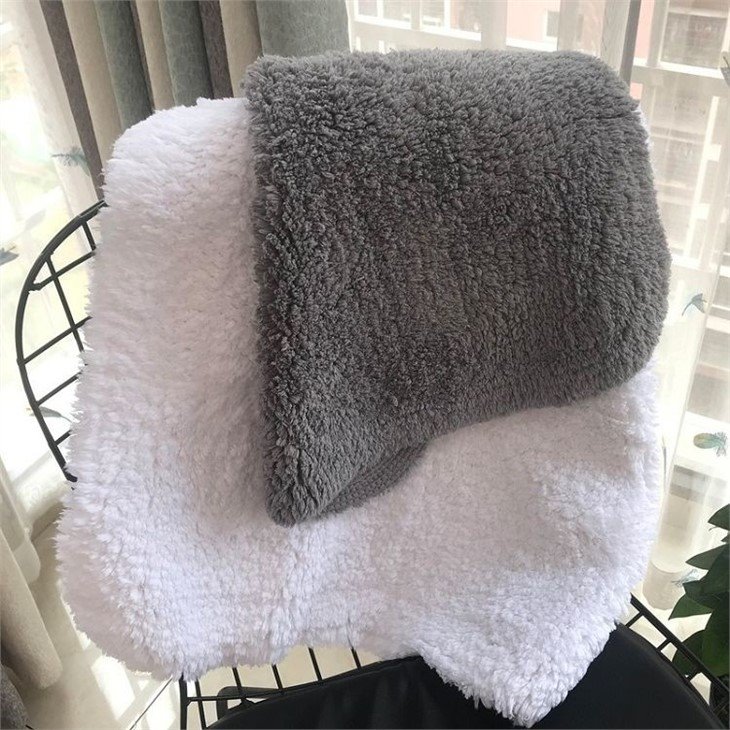
But here’s the catch: not all memory foam bath rugs are made equal. A lot of cheap ones you’ll see online or at grocery stores are just a thin slice of foam glued to the bottom of a basic rug. After two washes, that foam starts coming apart, the top layer gets all matted, and it’s basically just a useless flat mat by month three. That’s why I stopped carrying those garbage picks a few years back. The good ones—like the ones I supply—have a dedicated memory foam core, not just a token foam layer. They’re made with high-density foam that doesn’t break down, and they’re paired with materials that make sense for a bathroom. Let’s be real: bathrooms are wet. A memory foam layer that gets soaked isn’t helpful. The best ones have a water-resistant barrier between the foam and the top, so water beads on the surface, not seeps into the foam and grows mold. And the bottom? Non-slip, obviously. I can’t tell you how many times I’ve heard horror stories of people stepping out of the shower and slipping on a rug that slid across the tile. If you’re in the market for reliable, cushioned options, check out our luxury non slip bath rugs—that link is to our actual hotel-grade picks, which are the same ones I’ve been testing in my own bathroom for two years now, no slipping, no foam breakdown, still soft as day one.
Wait, let’s get specific about how these are built. A standard bath rug has three layers, right? Memory foam bath rugs have four (or sometimes five, depending on quality). The top layer is usually something absorbent—microfiber, cotton, or a blend—so it soaks up water fast. The middle layer is the memory foam, density is key here: we use 30+ kg/m³ density for these, which is the sweet spot. Any lower, and it collapses after a week. Any higher, and it’s too firm, like standing on a mattress topper instead of a bath mat. Then there’s the water-resistant barrier I mentioned earlier—usually a thin polyurethane film, not that weird plastic stuff that makes your feet sweat. And the bottom layer is the non-slip grip: we use a natural rubber blend, not the cheap PVC that leaves marks on tile. That combination is why our luxury picks don’t just feel good—they work, even after 50 washes.
I know a lot of people are worried about maintenance, too. I get it—no one wants a bath rug that’s a nightmare to clean. The memory foam layer in these good-quality rugs is sealed, so if you spill a little something or splash water all over, you can blot it with a towel and it’s fine. For regular washing, we recommend throwing the top layer (most of our rugs have a removable cover) in the washing machine on cold, tumble dry low. The sealed foam core just needs a quick wipe every few weeks—no soaking, no scrubbing, no stress. Compare that to a cheap foam bath rug where you can’t even get it wet without ruining it, and it’s a no-brainer.
Let me talk about real user feedback here, too. I’ve been in this long enough that I’ve built a little regular client base—people who own small boutique hotels, or just folks who message me on Instagram saying their old rugs sucked. Last month, a customer who’s a nurse told me she uses our memory foam bath rug at home, and it’s cut down on her foot and knee pain after 12-hour shifts. Another person said their kid stopped slipping after a bath because of the non-slip bottom—those stories make every late night I spend testing new materials worth it. The biggest question I get from these folks, though, is “are these worth the extra cash?” My answer is always: if you want something that lasts two years or more, yeah. The $10 rug from the dollar store? It’ll last three months, max. The $50 memory foam rug? Use it right, it’ll last three years. That’s math that adds up.
Wait, should I touch on the white stuff? I see a lot of people searching for white cotton bath rugs, and they’re nervous about stains. Let’s be real—white is tricky in a bathroom. But our White Cotton Bath Rugs have a memory foam option, too, and we use a special stain-resistant treatment that’s safe for sensitive skin (no harsh chemicals). I know a lot of people think white cotton gets dingy fast, but with cold water washing and a little baking soda in the wash every few months, ours stay bright. I have a white one in my guest bathroom, and even after a year, it’s still the same shade as the day I bought it—no weird yellowing, no permanent water spots.
Let’s bust a few myths, too, because I hear them all the time. Myth #1: Memory foam bath rugs are too thick for small bathrooms. No—our luxury ones are about 1.5 inches thick, which is perfect. They’re not so bulky that they stick out past your toilet or block the door. I have a tiny 5x8 bathroom in my apartment, and my rug fits right next to the shower, no problem. Myth #2: They get too hot in the summer. Nope—the breathable top layer (cotton or microfiber) wicks moisture away, so even on a 90-degree day, your feet stay cool. I live in Florida, so I test everything in summer heat, and I haven’t had a complaint about overheating. Myth #3: Memory foam absorbs too much water. That’s only the cheap ones with no barrier. Our memory foam is sealed, so water only touches the top layer—soaking it up fast, then drying in an hour or two. I leave my bathroom window cracked, and it’s never damp or musty.
Now, if you’re in the market for these, what should you look for? First, check the density of the foam—aim for 25 kg/m³ minimum, 30 is better. Second, look for the water-resistant barrier—if a product description doesn’t mention that, it’s probably a cheap foam rug that will mold. Third, the non-slip bottom: natural rubber is better than PVC, and avoid anything that says “adhesive strips”—those fall off after a few washes. Fourth, make sure the top layer is removable and machine-washable. If it’s not, you’ll have to spot-clean it forever, and that’s a pain.
As a bath rug supplier, I’m not here to sell you something you don’t need. If you just need a cheap rug to throw in the guest bathroom once a year, go for the budget option. But if you want something that’s soft, safe, long-lasting, and actually works for a bathroom, a memory foam bath rug is worth every penny. I’ve tested enough to know that the best ones aren’t just a trend—they’re a game-changer for anyone who spends time standing in their bathroom, or wants something that feels nice without the hassle.
If you’re interested in checking out our options, we have a range of memory foam bath rugs in different sizes, colors, and materials. Whether you want the luxury non slip bath rugs for your own home, or bulk picks for a hotel or rental property, we can help. Just reach out to us to chat—we work with everyone from single homeowners to large hospitality brands, and we’re happy to answer any questions you have about size, care, or even custom color options. No pushy sales stuff, just real talk about bath rugs that actually work.
At the end of the day, your bathroom should be a relaxing space, not a place to deal with scratchy mats, slipping hazards, or foam that falls apart after two washes. Memory foam bath rugs solve all those problems, and they’re more common (and more reliable) than you might think. You just have to know what to look for. If you take nothing else from this, remember: skip the thin, cheap foam mats. Go for the sealed, high-density memory foam with a non-slip bottom and a washable top layer—you’ll thank me when you step out of the shower for the first time.
References:
- National Kitchen & Bath Association. (2022). Bathroom Accessory Durability and User Safety Report.
- Textile Institute. (2021). Performance Standards for Absorbent Bathroom Textiles.
- International Organization for Standardization. (2020). Non-Slip Floor Coverings for Residential and Commercial Use, ISO 13485.