The Testing Standards For The Quality Of Hotel Bedding
Oct 14, 2021
The testing standards for the quality of hotel bedding
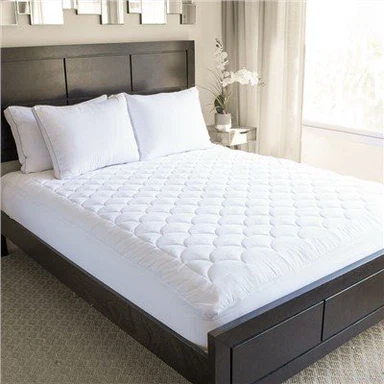
Hotel bedding is an important part of the hotel’s daily consumables and an indispensable daily necessities in people’s lives. In recent years, hotel textiles have developed rapidly, and a series of products of various patterns, styles and fabrics can be described as a dazzling array. Hotel bedding includes textile products such as sheets, duvet covers, pillowcases, bedspreads, quilts, pillows, and cushions.
Hotel bedding
The key indicators are:
1. Formaldehyde content. Formaldehyde exists in the finishing agent of textile fabrics and is a toxic substance. After being absorbed by the human body, it has a strong stimulating effect on the skin and respiratory tract, and can cause dermatitis and inflammation of the respiratory mucosa.
2. pH value. Textiles with an excessive pH value will destroy the balance mechanism of human skin, cause irritation to human skin, reduce the body's ability to resist external pathogens, produce allergies, skin rashes and other symptoms, and endanger human health.
3. Decomposable aromatic amines. Some azo dyes are in long-term contact with human skin, decompose and reduce under special conditions, and release some carcinogenic aromatic amines, which become the predisposing factors of human disease and have potential carcinogenicity.
4. Color fastness. Color fastness refers to the color fastness of the product to perspiration, washing, and friction. Good and poor color fastness directly affects the health and safety of the human body and the beauty of the product. The bedding with poor color fastness will cause the pigment on the fabric to fall off and fade when it is exposed to sweat during use, and the dye molecules in it may be absorbed by the human body through the skin and endanger human health.
5. The rate of change of washing size. The shrinkage of bedding in use has always been a concern of consumers, which is mainly manifested in poor dimensional stability, deformed after washing, and reduced in size, which affects use and aesthetics.
6. Fiber content. The fiber content determines the cost and performance of the product and the comfort during use.
7. Breaking strength. If the breaking force is too low, it will directly affect the service life of the product.